







Memorie di un viaggio sognato e realizzato/Memories of a Dreamed and Realised Journey
La fotografia di paesaggio è una piacevole attrazione alla quale si cede volentieri: pensiamo alle opere dei grandi autori del passato, come Ansel Adams e Minor White, che hanno lasciato una traccia memorabile nella storia della fotografia, oppure, più semplicemente, alle immagini con cui ciascuno di noi ha ritratto i luoghi cari incontrati nel corso della vita.
Vorrei pertanto condividere con voi qualche riflessione su questo tema.
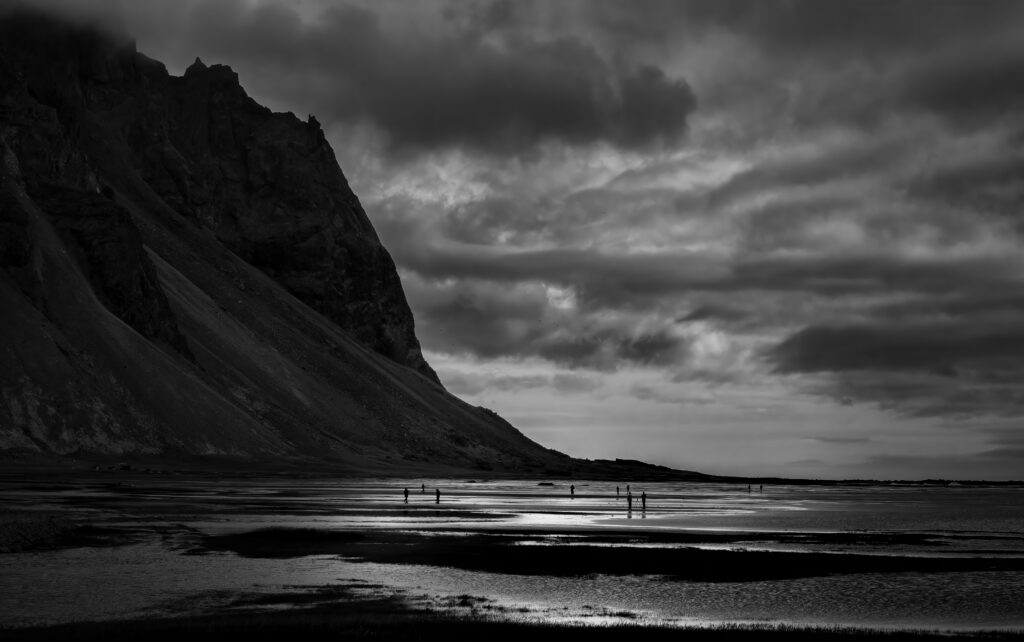
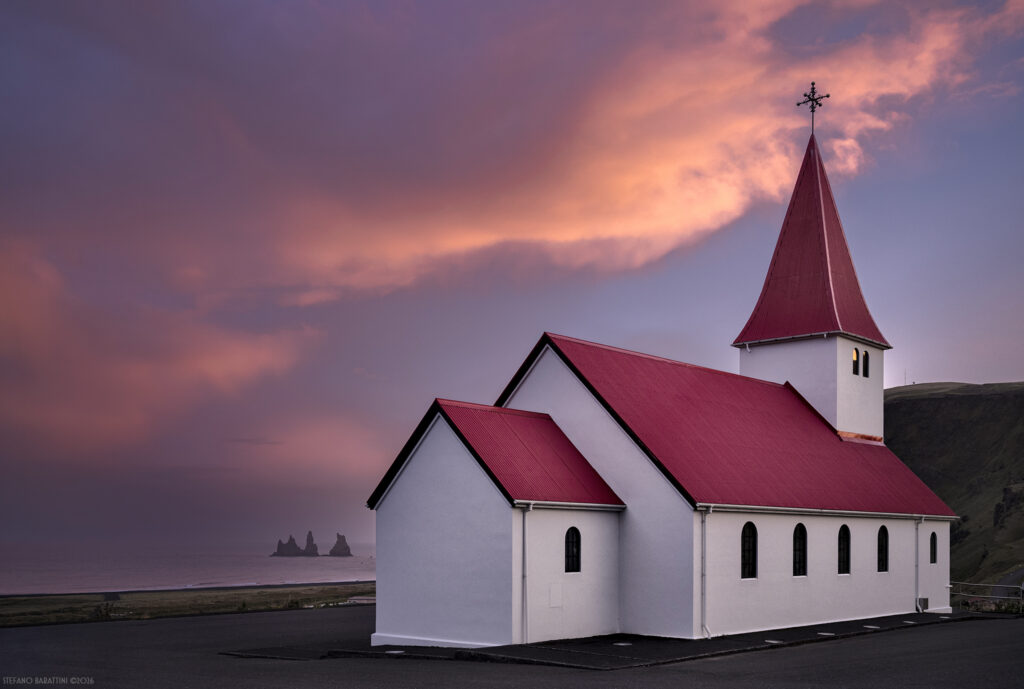
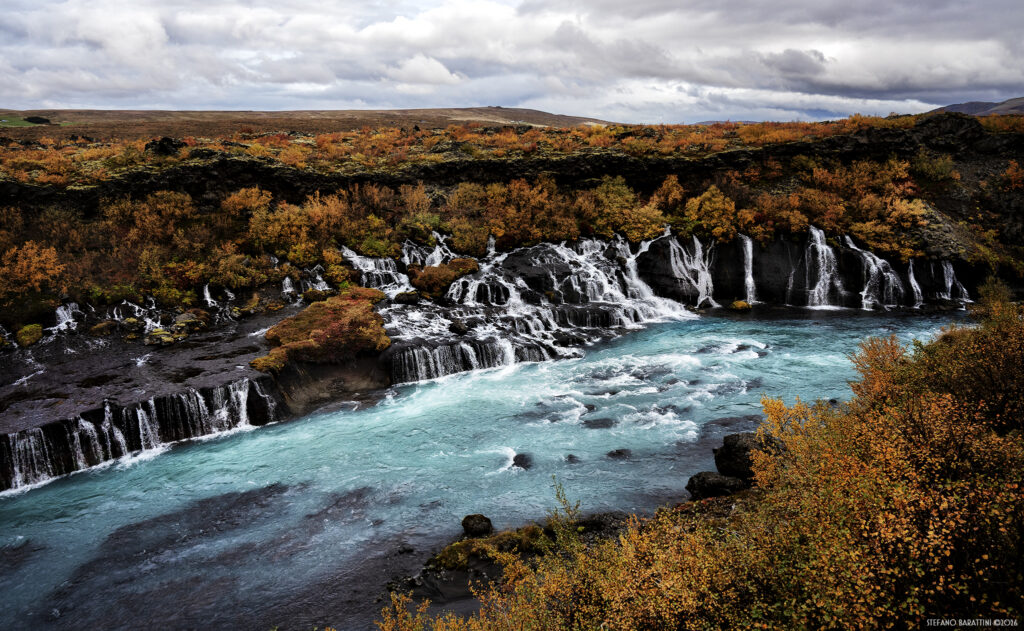
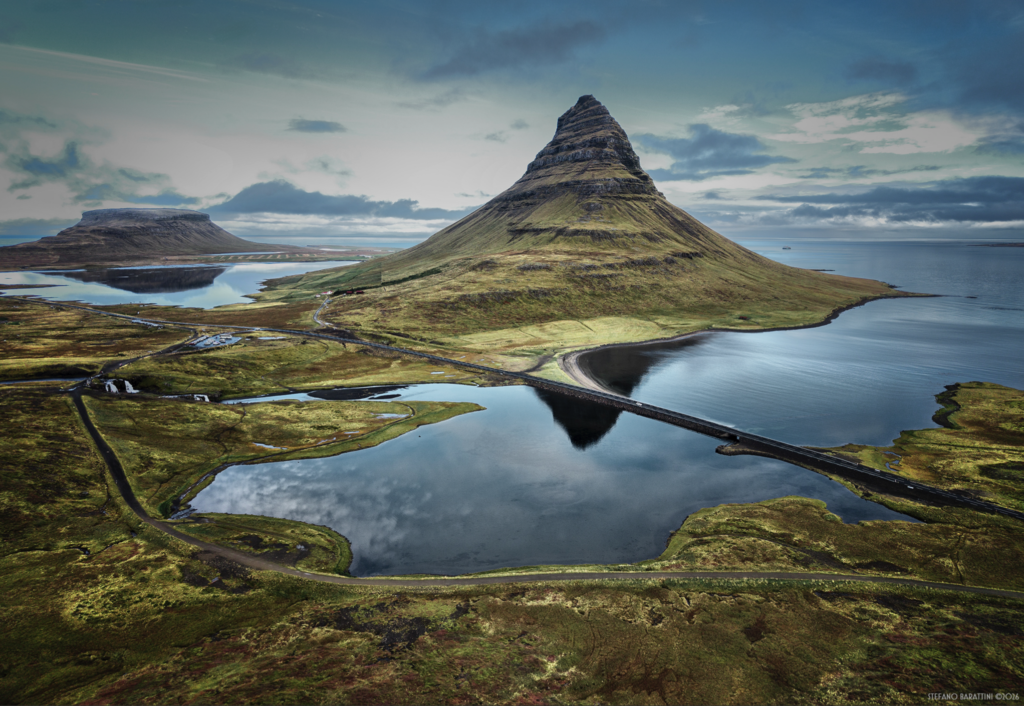
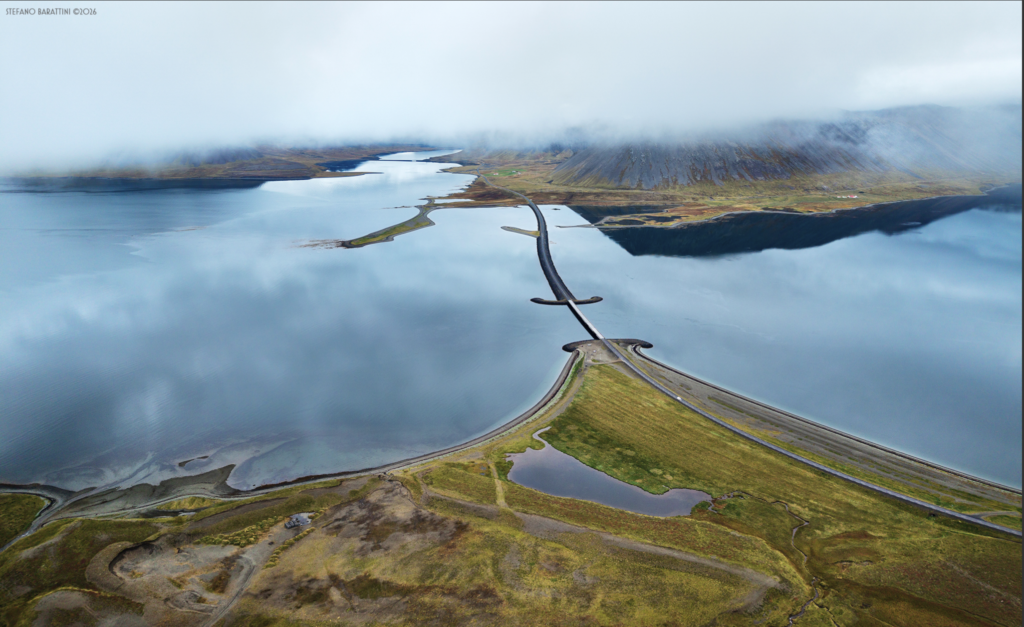
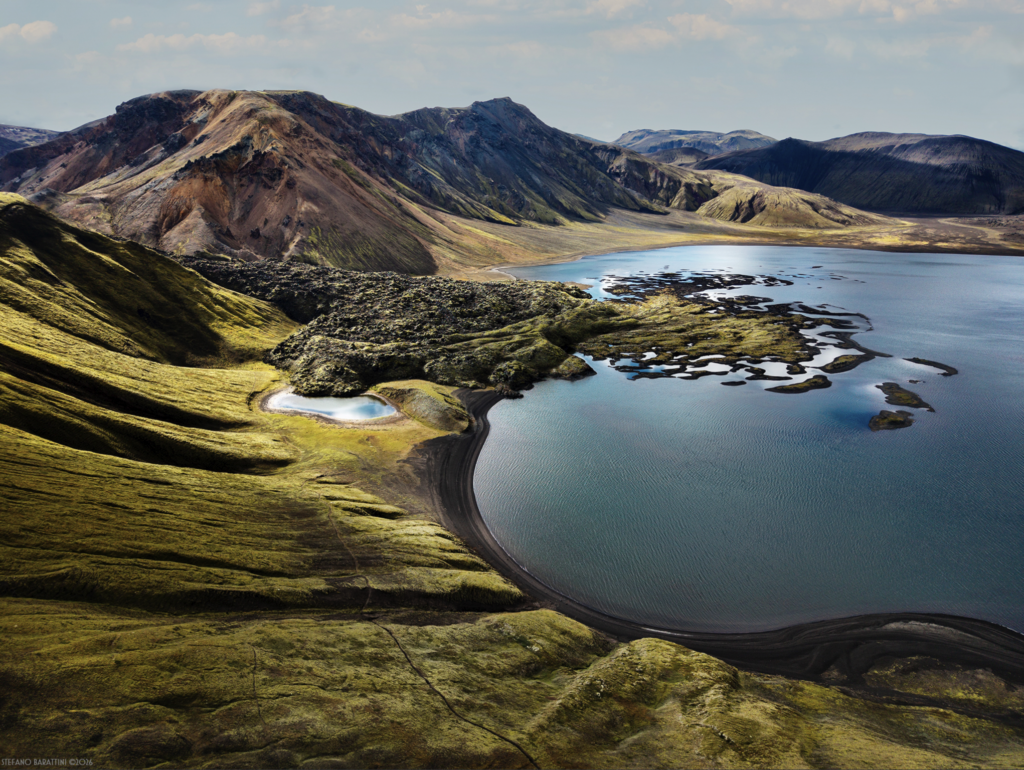
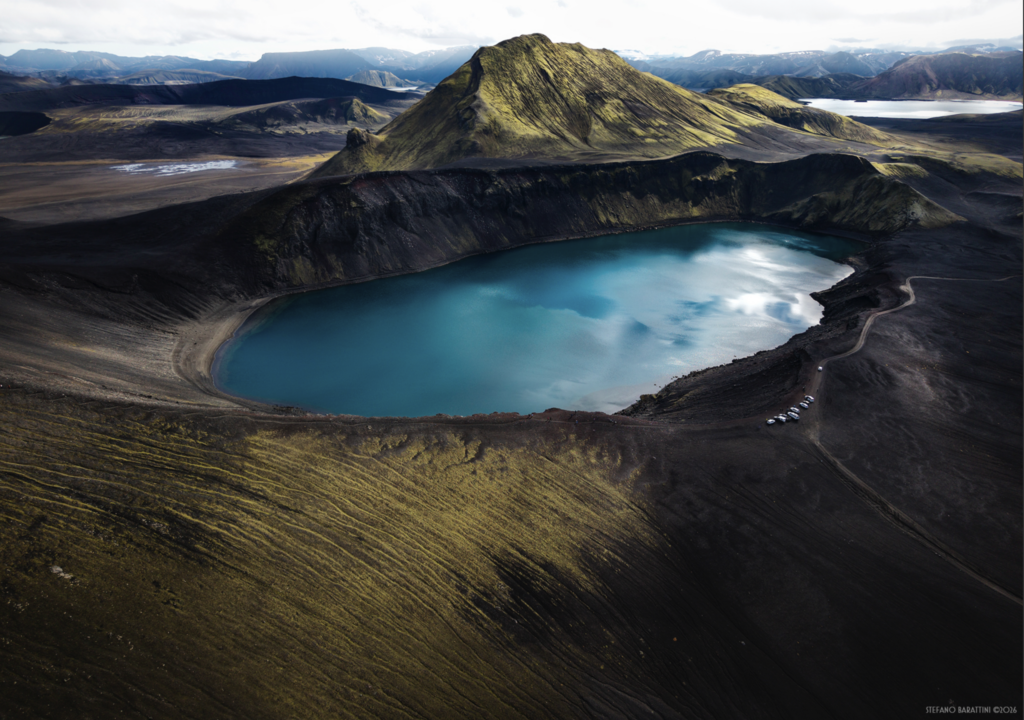
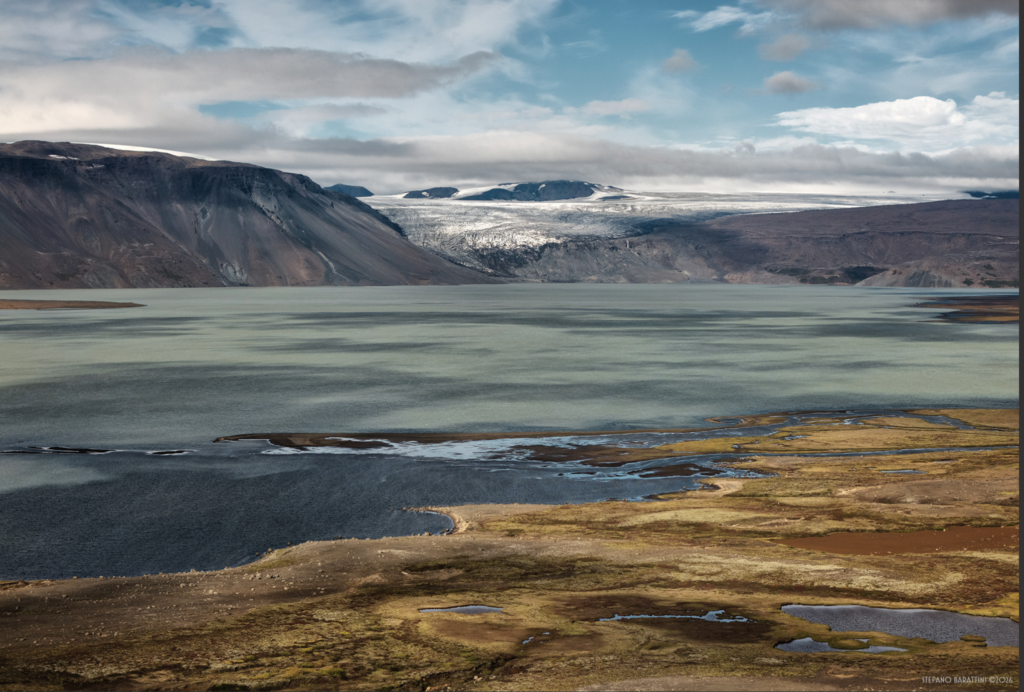
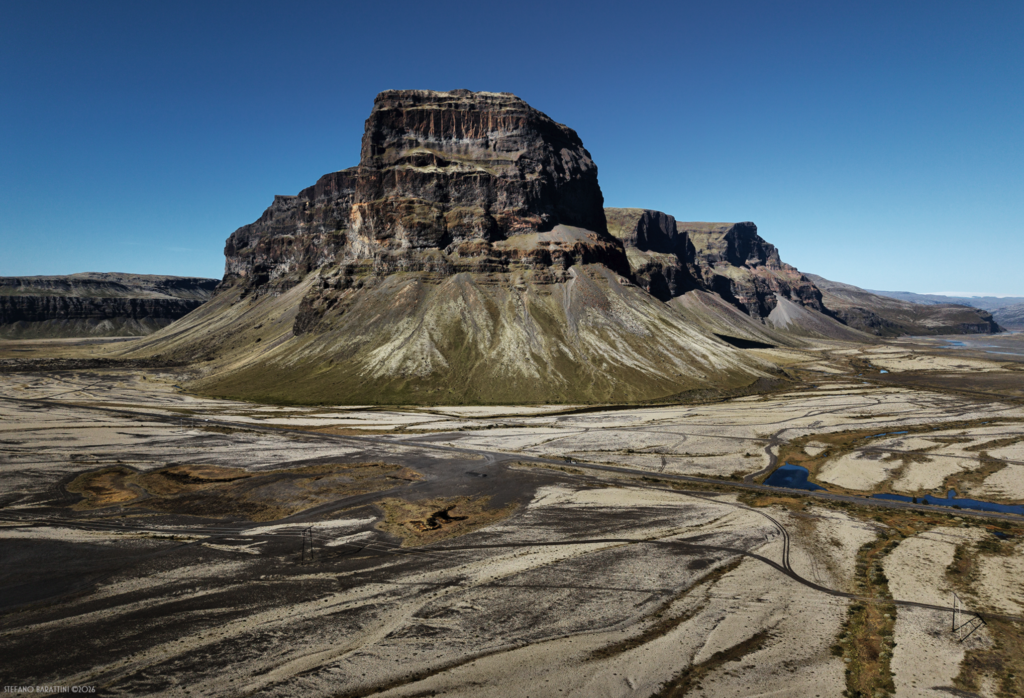
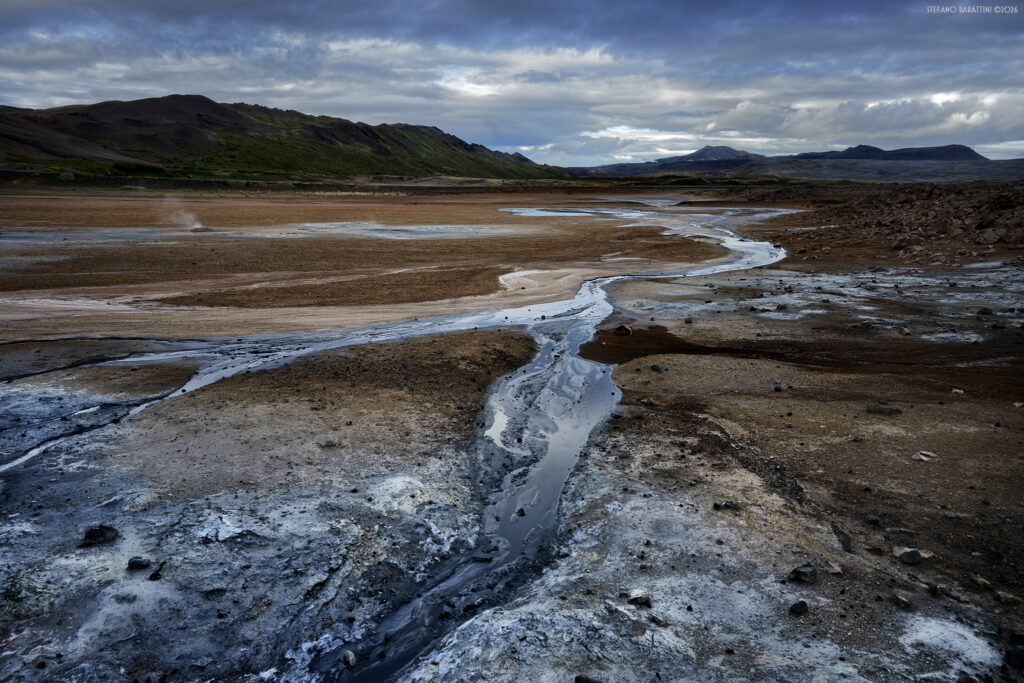
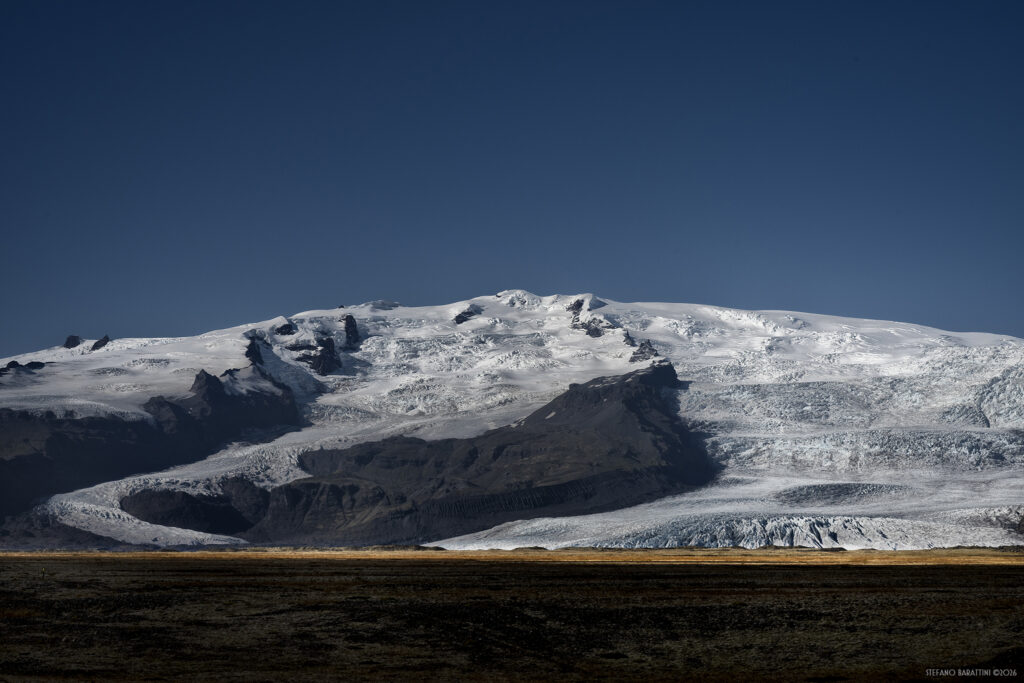
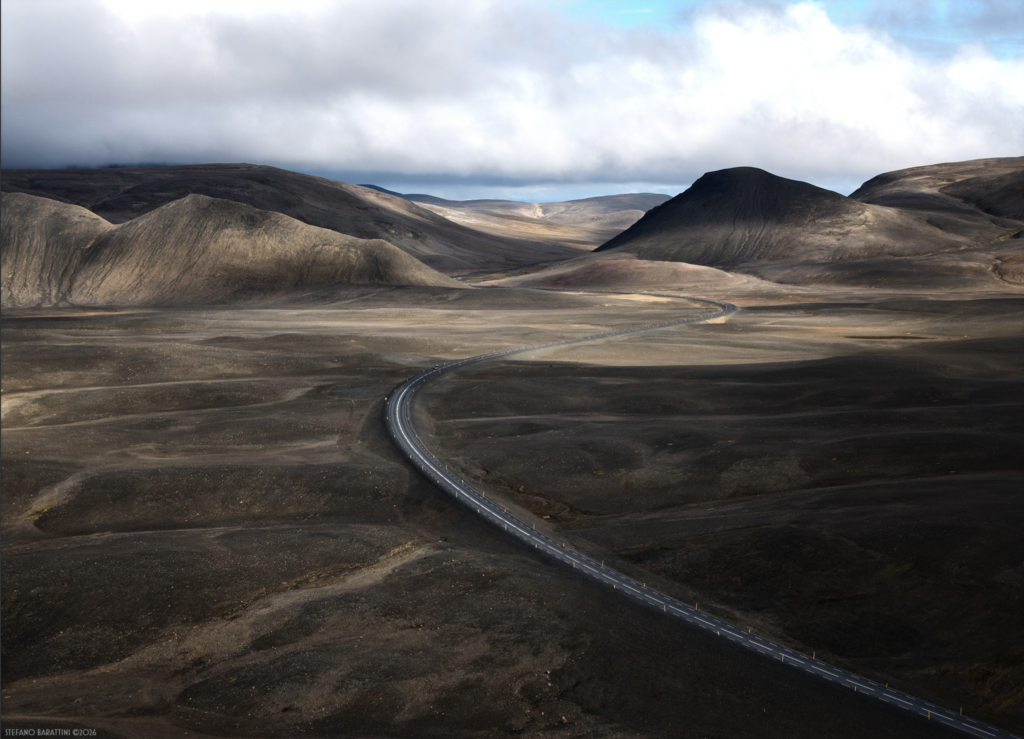
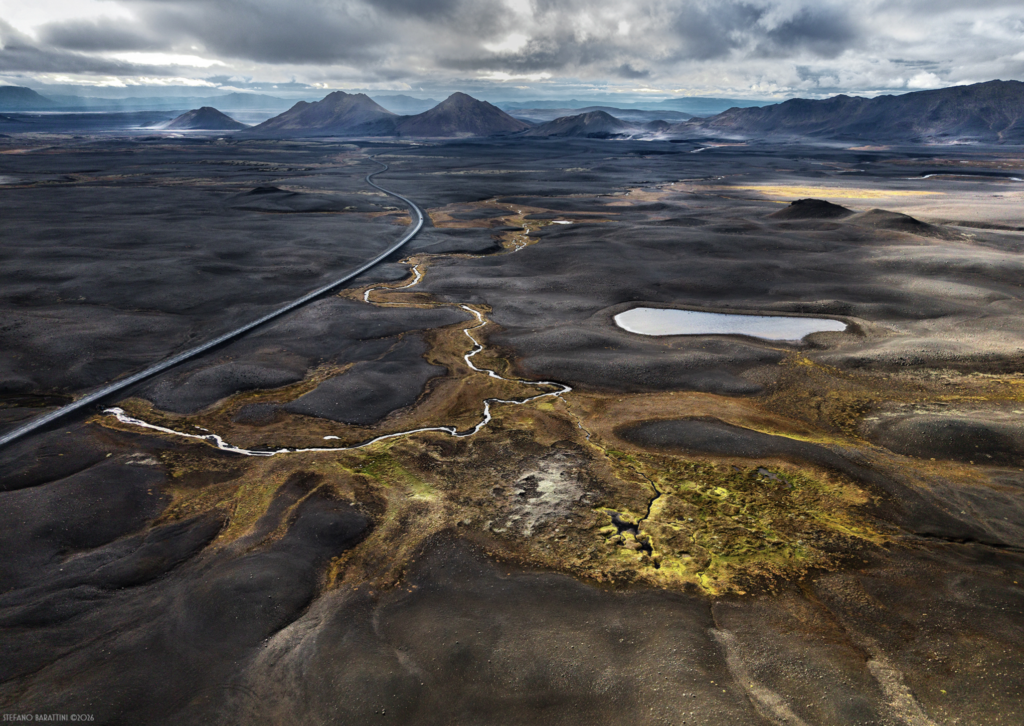
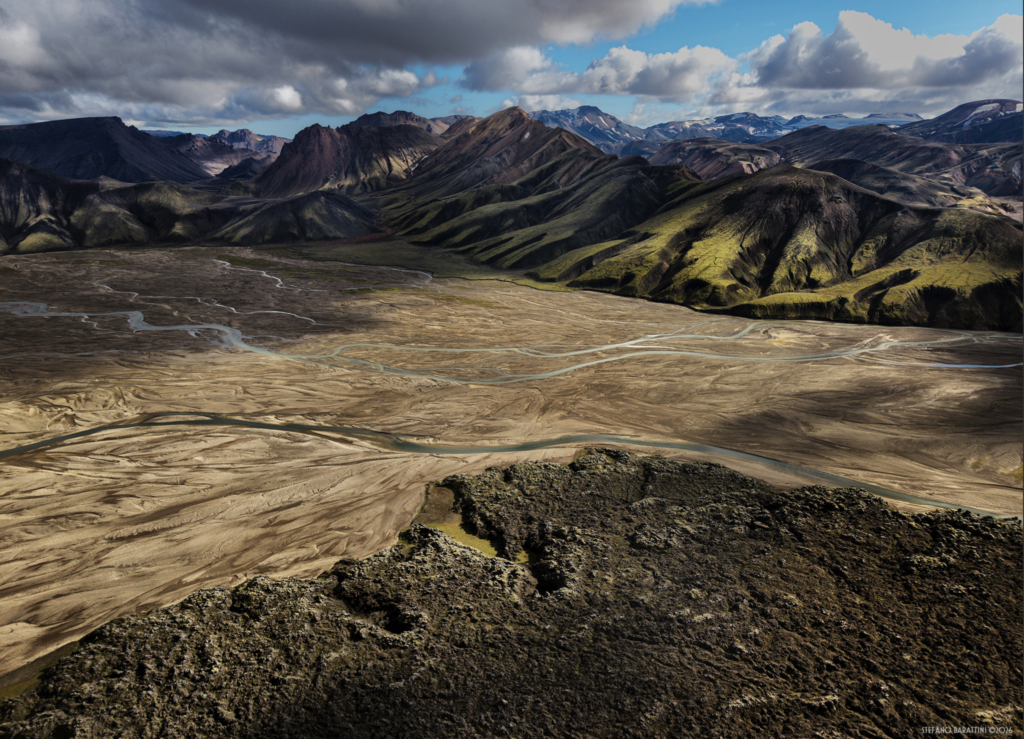
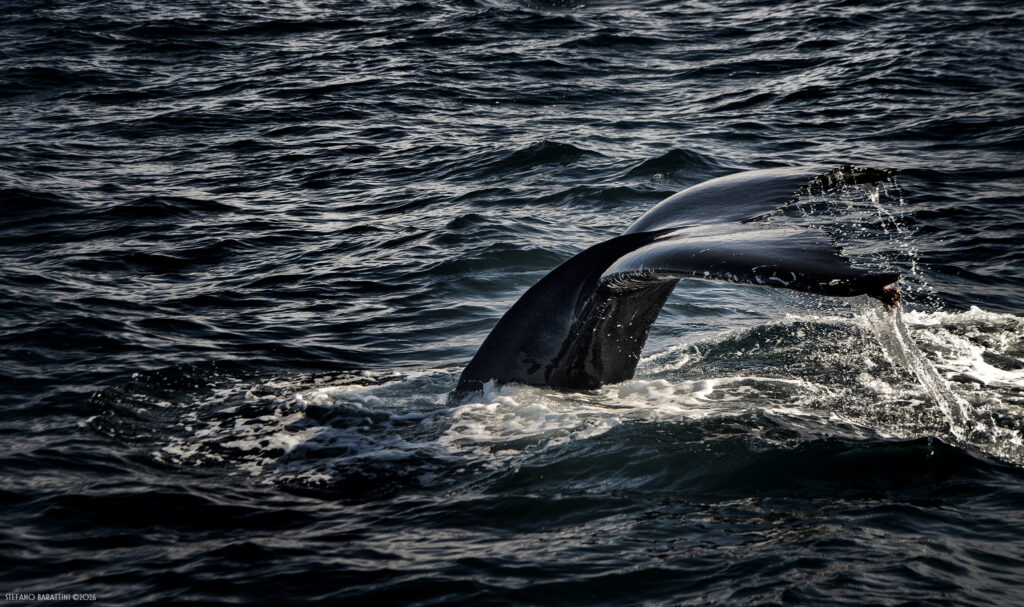
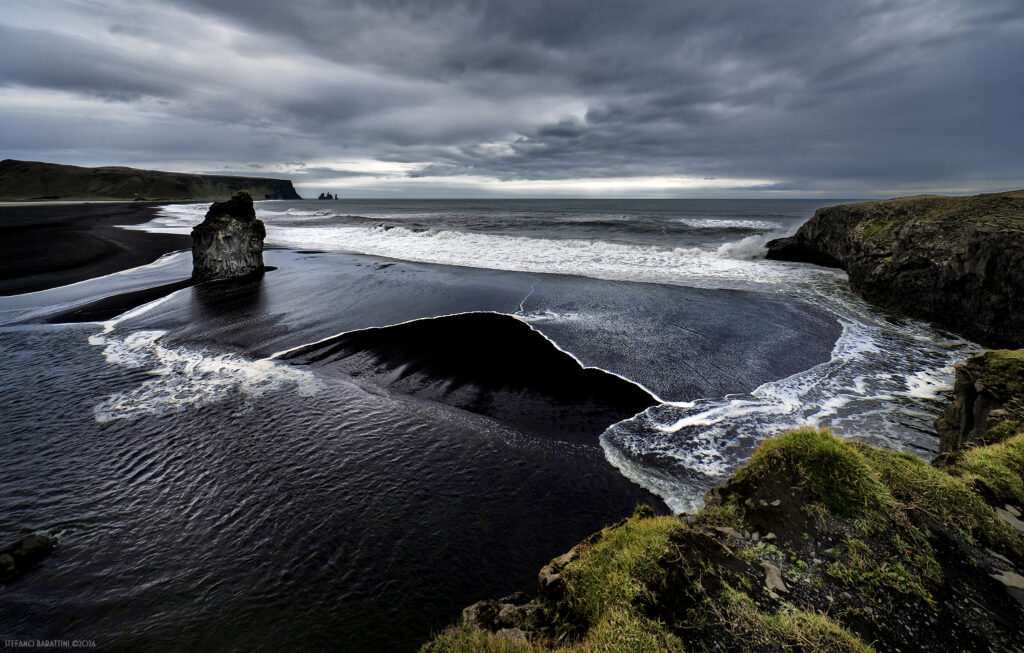
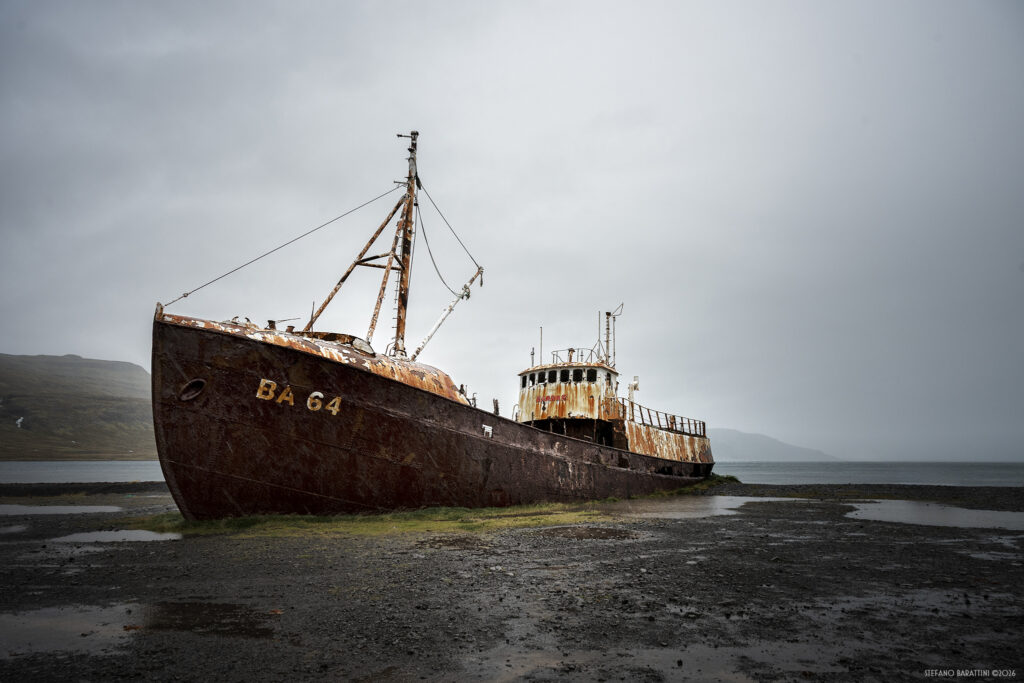
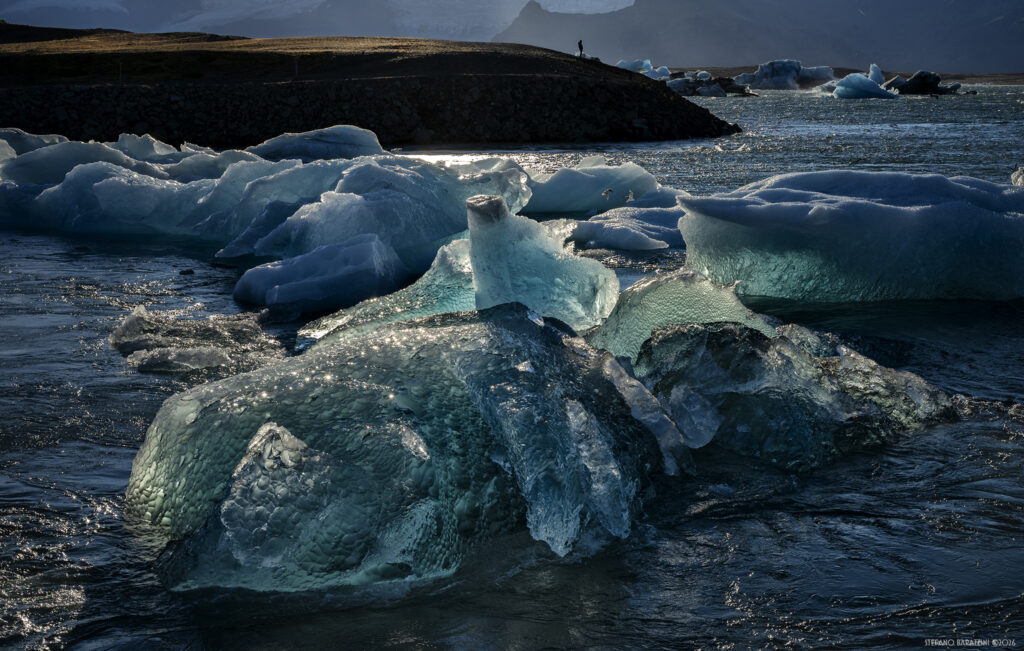
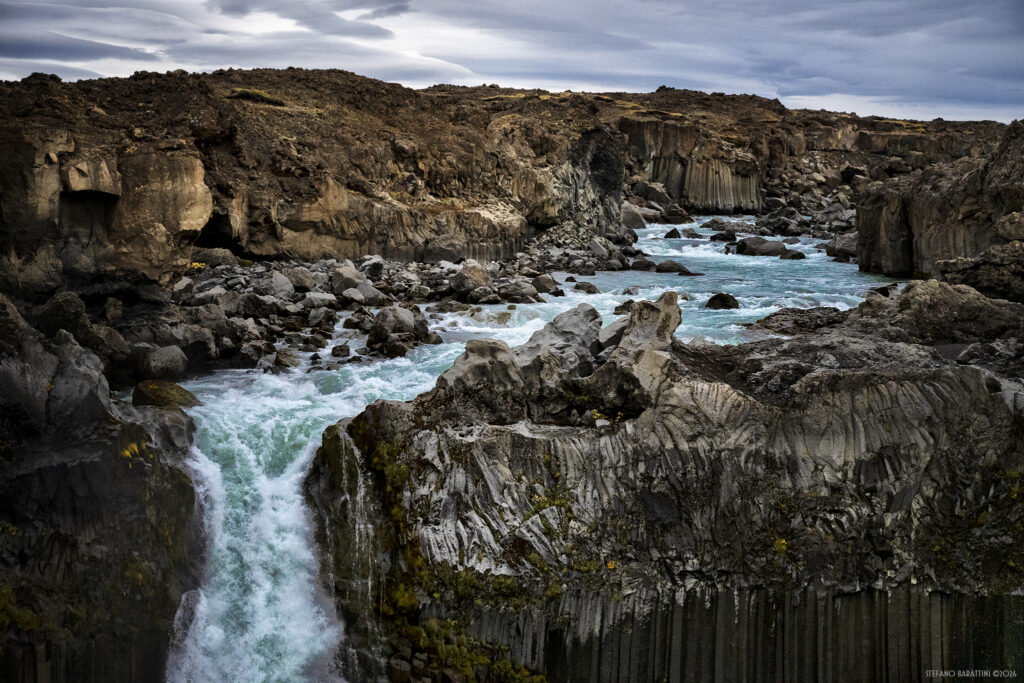
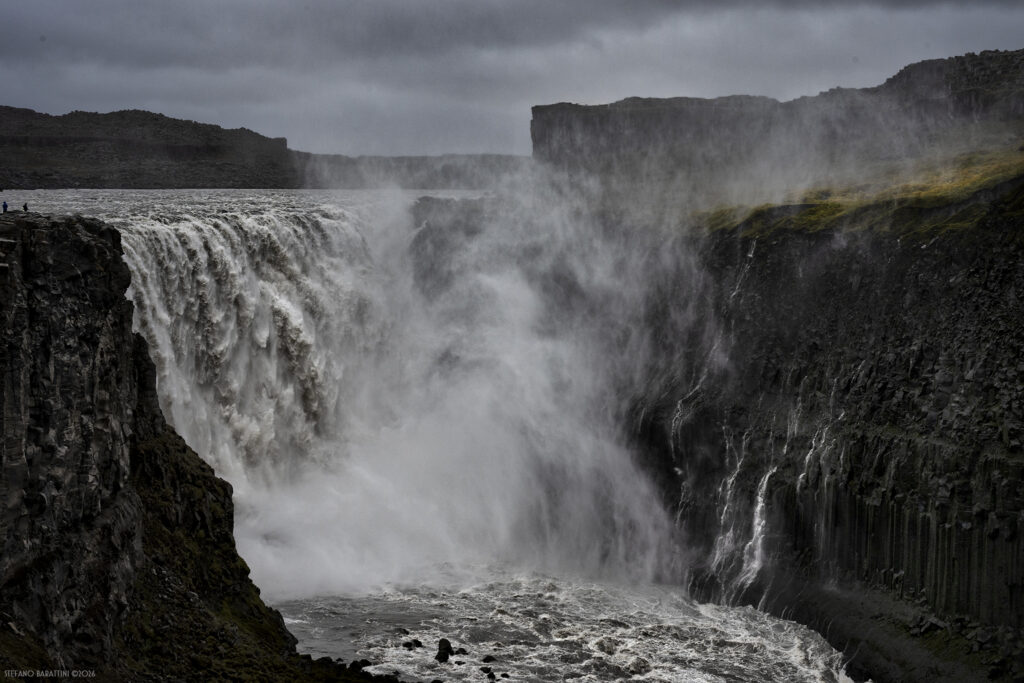
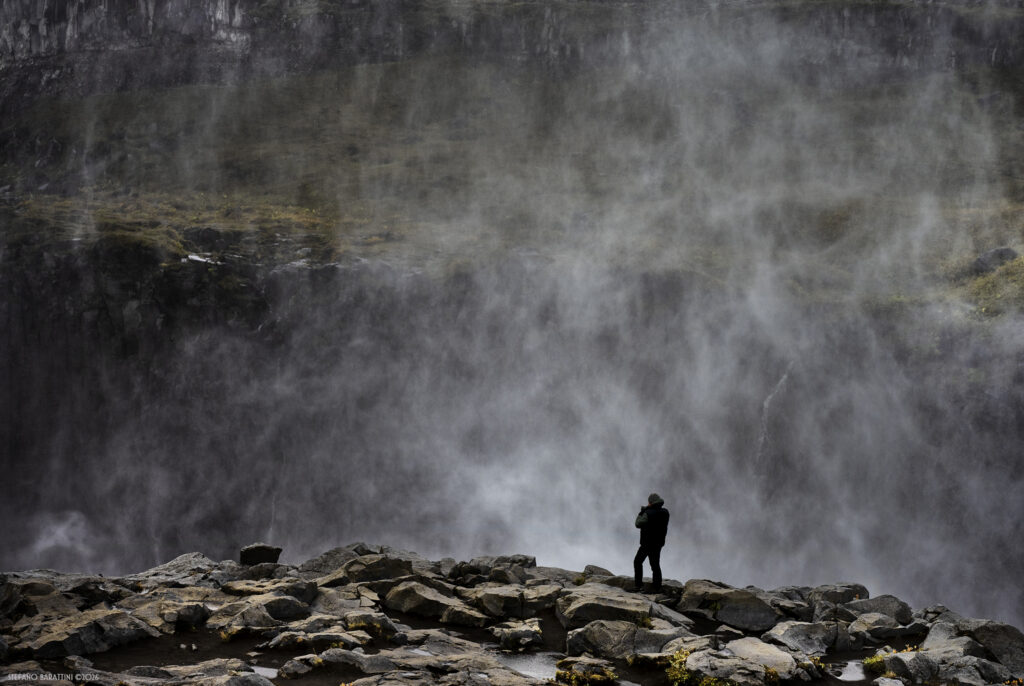
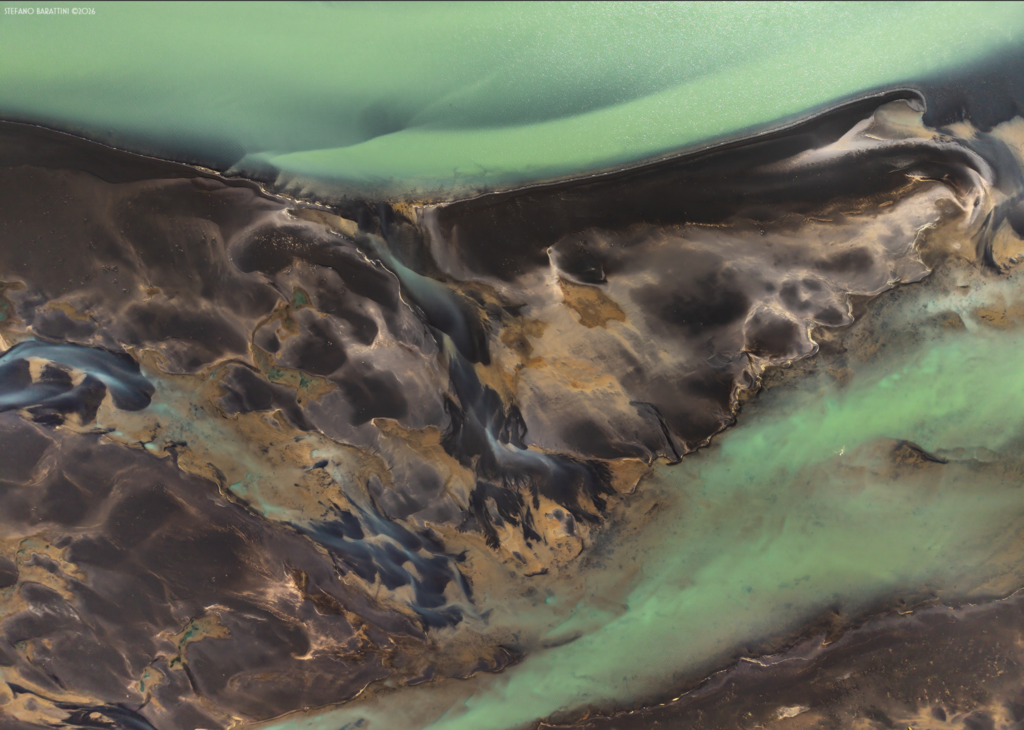
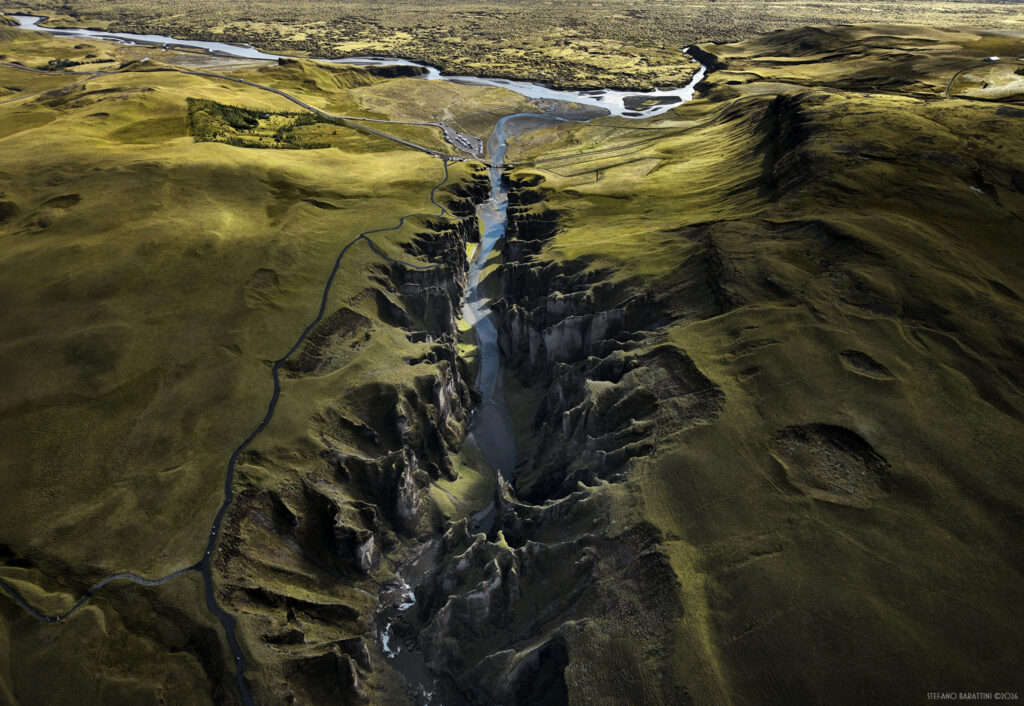
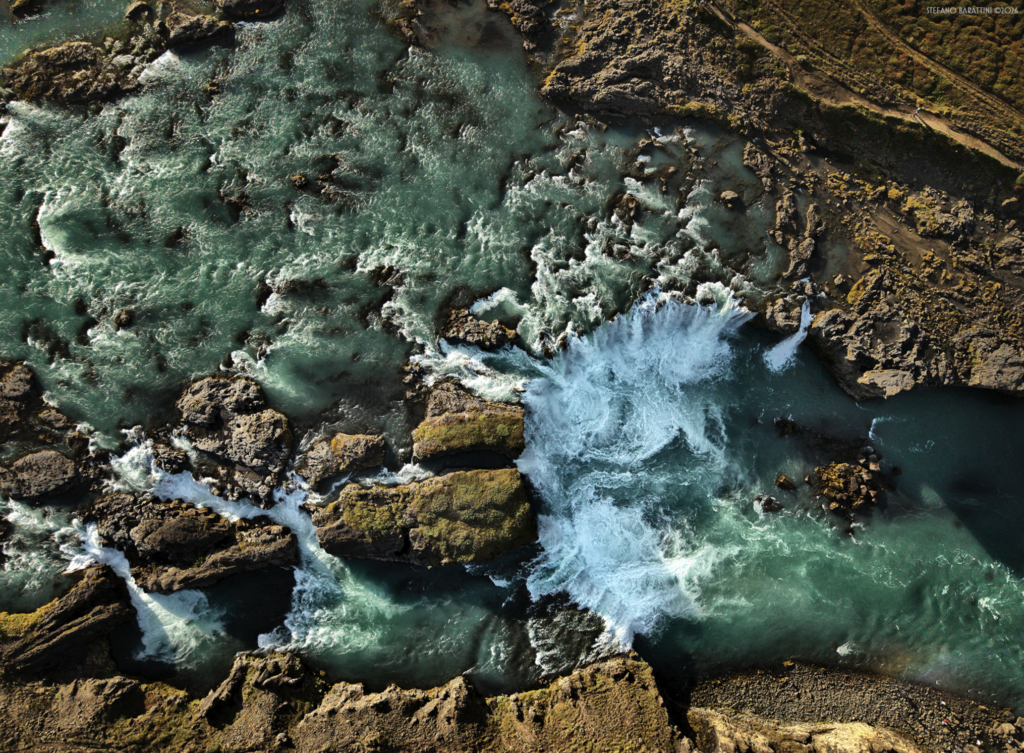
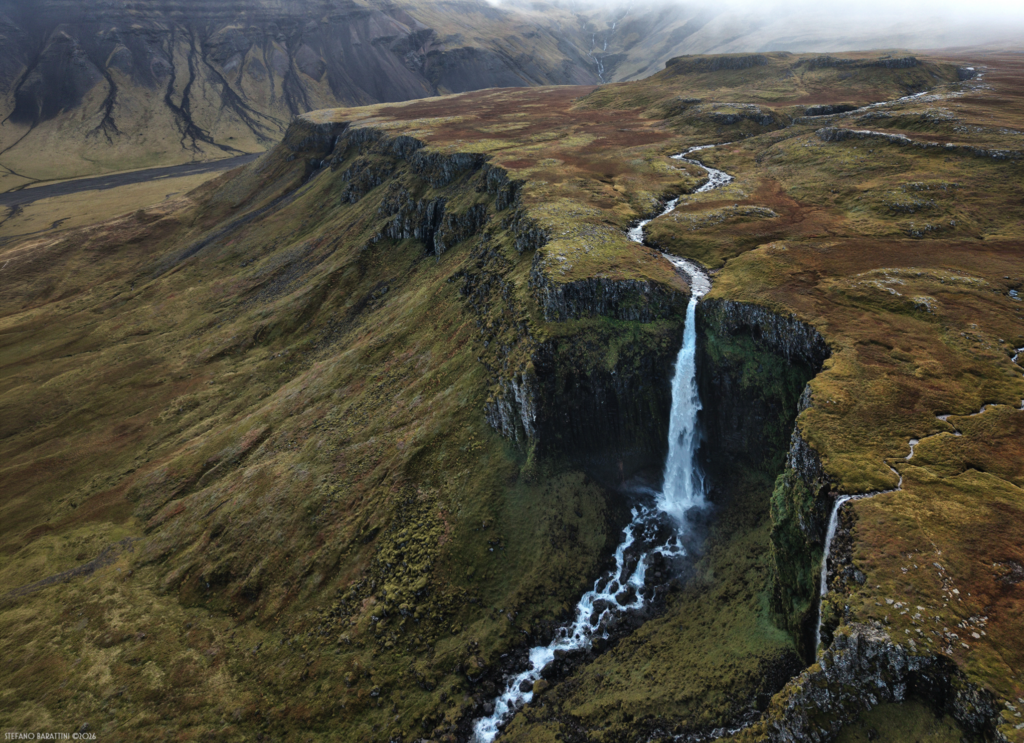
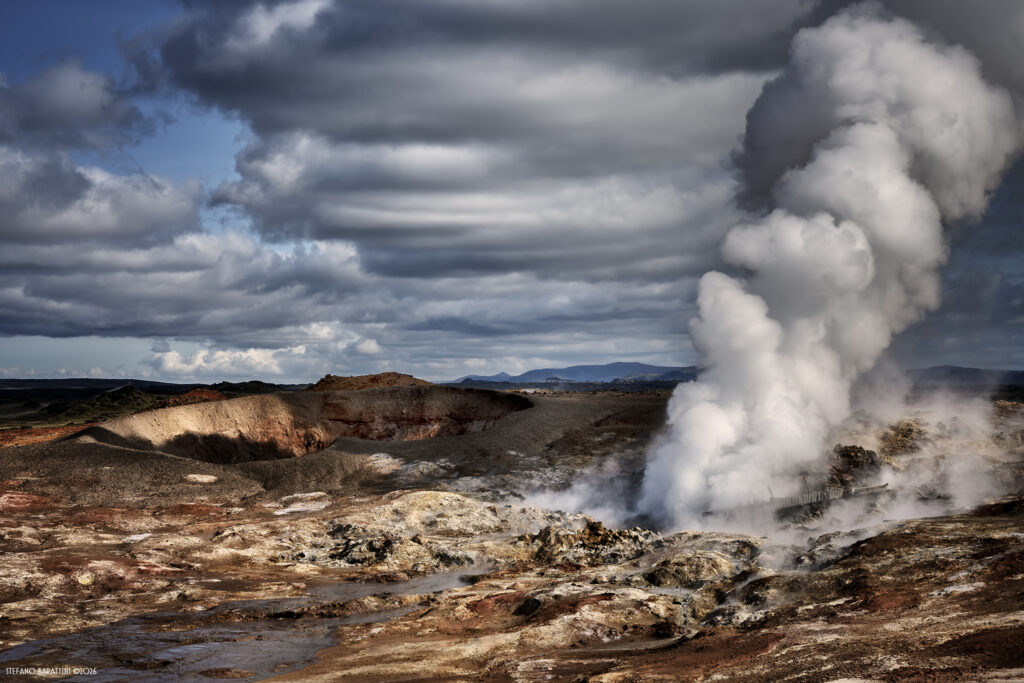
C’è modo e modo di fotografare un paesaggio; un’eccezione alla consueta visione rassicurante e talvolta monotona di cui si hanno pieni gli archivi fotografici, è la trasfigurazione del paesaggio; Stefano Barattini che ha ritratto alcune località visitate durante il suo viaggio in Islanda, ce ne offre un esempio.
Già noto ai lettori di Diatomea per altri suoi interessanti lavori fotografici, Stefano ci propone all’occorrenza una diversa interpretazione di questi luoghi. (La scuola del Bauhaus; Architettura brutalista; Ospedale Beelitz-Heilstatten)
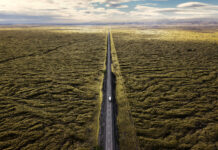
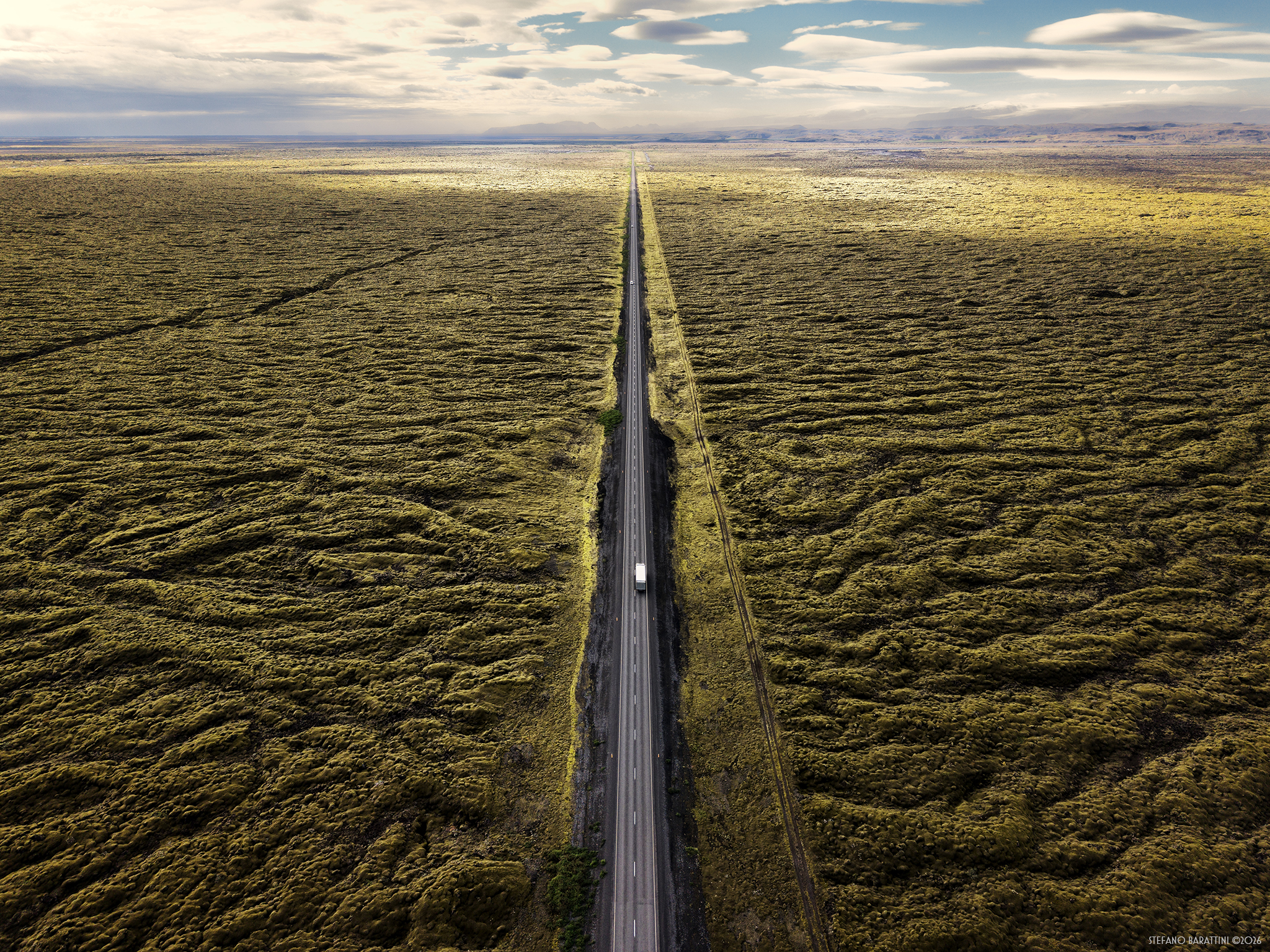
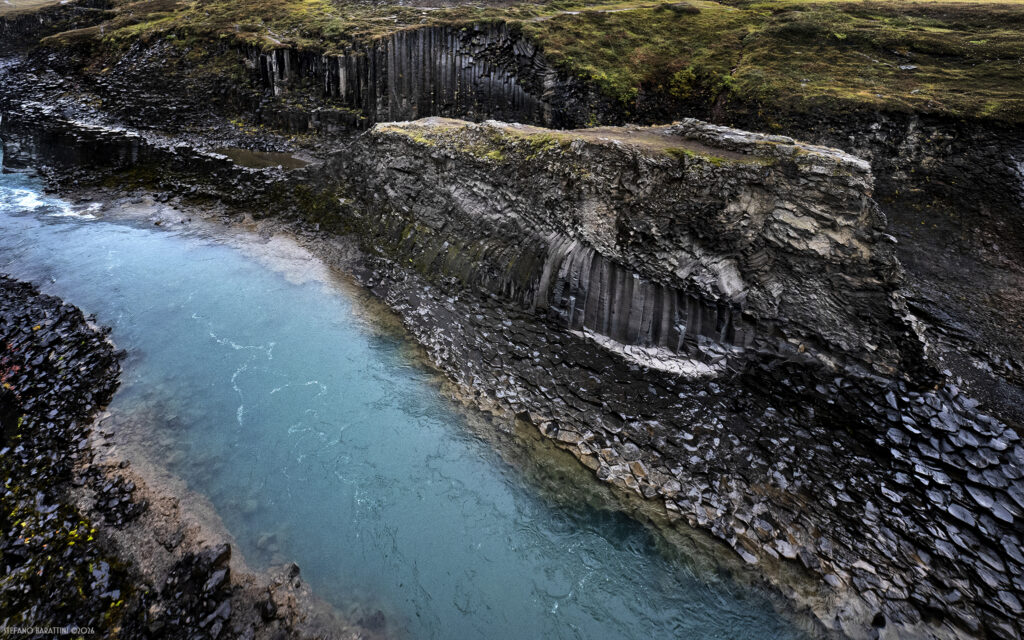
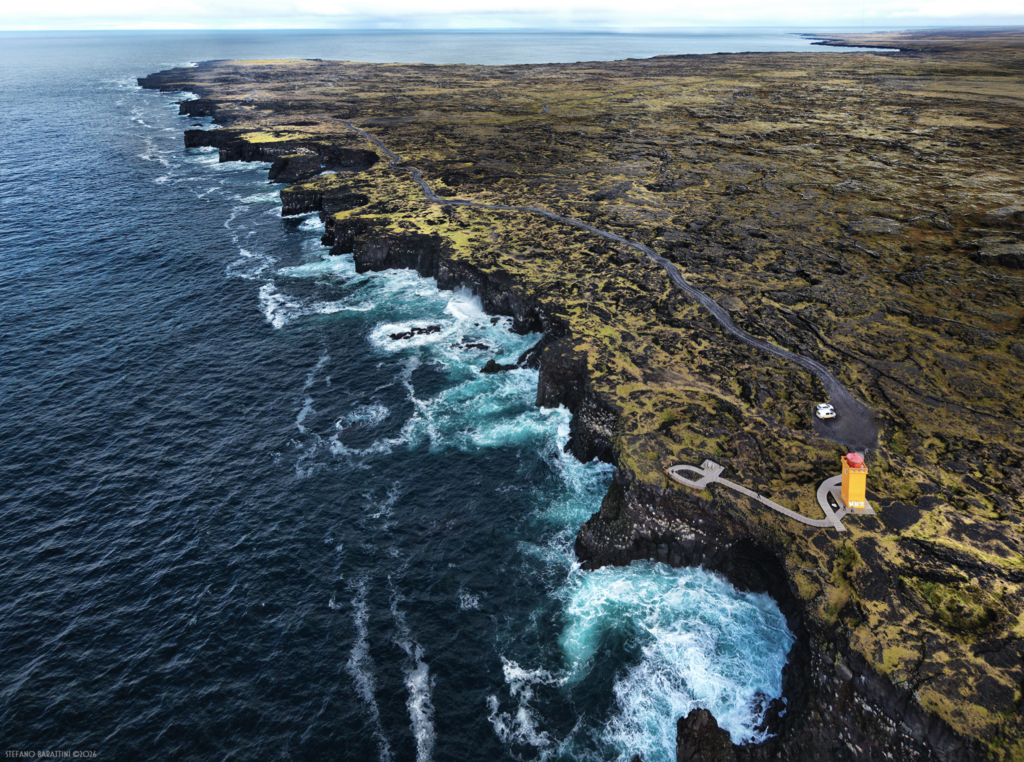
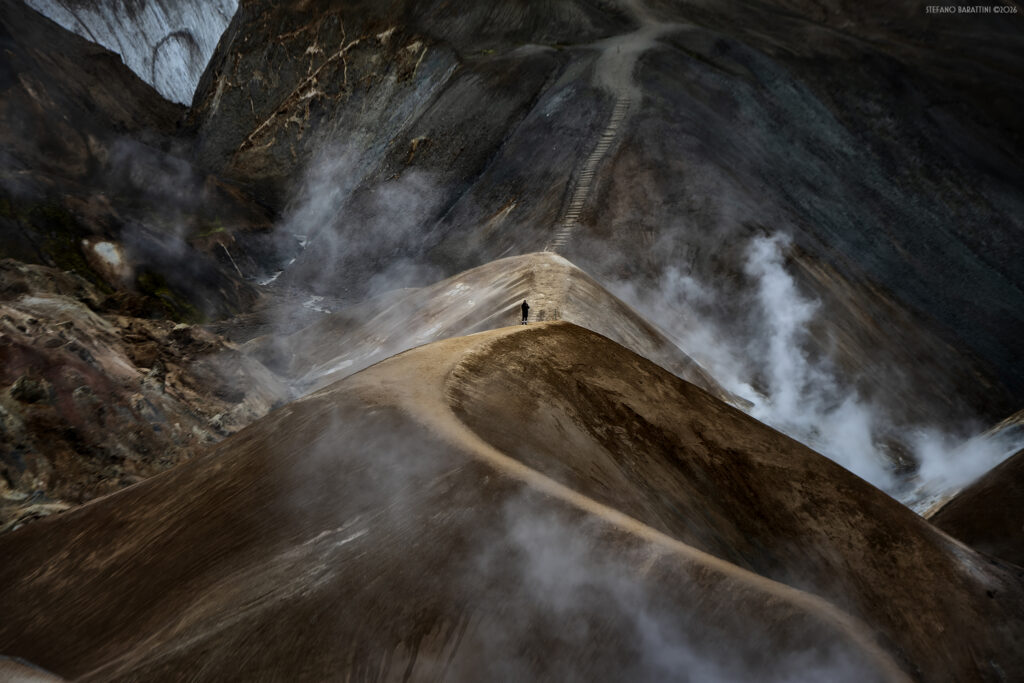
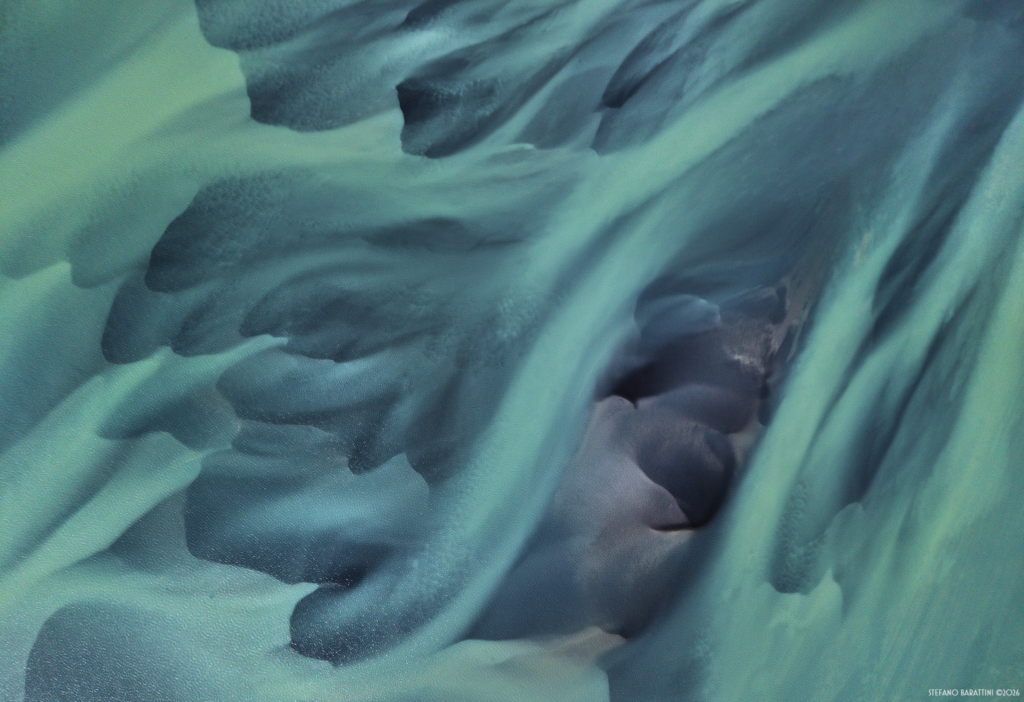
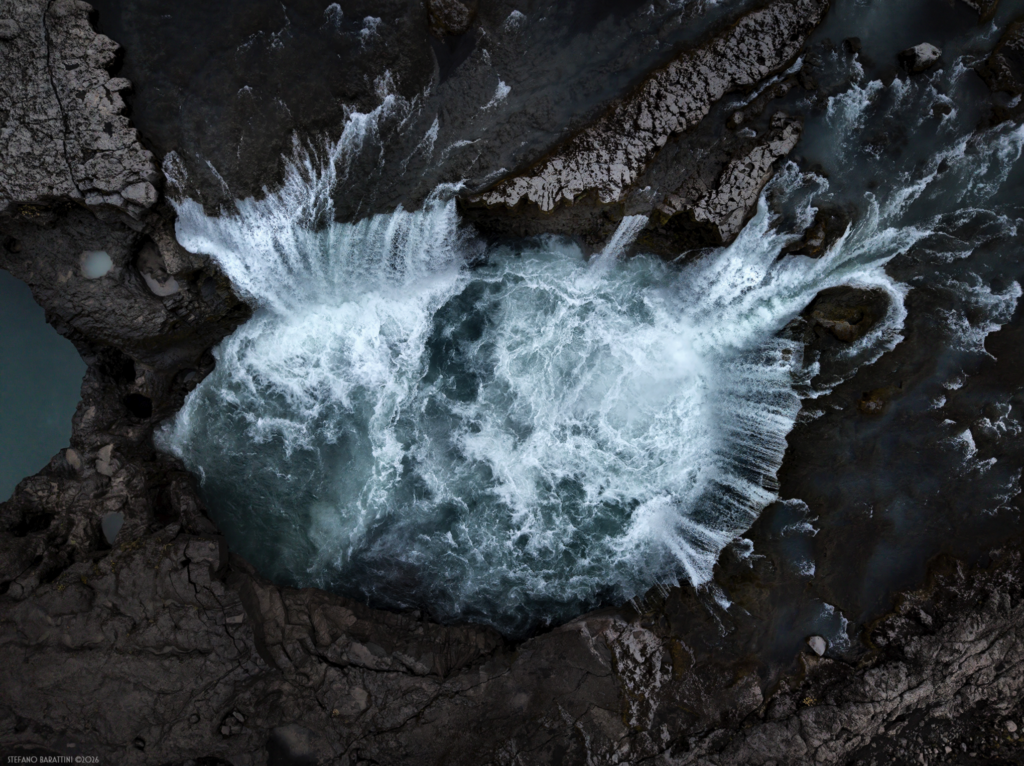
Alcune foto sono state scattate col drone per realizzare quel cambio di prospettiva che genera una svolta nel modo di vedere un paesaggio, qualcosa di inedito, una sorta di astrazione visiva; una modalità altra di apprezzare l’immagine come dato di realtà ma suscettibile di interpretazione.
Si potrebbe parlare di godimento estetico che rientra appieno nello scopo della fotografia, in questo caso declinata secondo la personalissima percezione dell’autore.
Una percezione che si può condividere se non si è vincolati ai canoni usuali della fotografia di senso comune.
Quindi passiamo dall’appunto fotografico, ossia il ricordo di un momento di una nostra esperienza di viaggio o semplice prossimità locale, il tutto talvolta legato a un vissuto emotivo, a una destinazione altra, meno tradizionale e sostanzialmente più creativa o quantomeno inconsueta, grazie alla versatilità del linguaggio fotografico.
A questo punto non posso non condividere con voi gli appunti di viaggio di Stefano, laddove la fotografia è una parte importante dell’esperienza, da integrare al vissuto personale e tutto ciò che merita di esse ricordato. Immagini e racconto danno vita a una fusione che trovo avvincente e immersiva.
Da appassionato di viaggi, soprattutto in paesi non troppo simili allo stile di vita europeo, privilegiando luoghi che avrebbero potuto mutare socialmente e paesaggisticamente, l’Islanda era una delle mete che già a metà degli anni 80 del secolo scorso aveva attirato la mia attenzione.
All’epoca avevo studiato tutto, mi ero documentato e buttato giù una bozza di itinerario, con chilometri parziali, totali e stima dei tempi di percorrenza, il tutto battuto rigorosamente a macchina. L’idea ‘malsana’ era di arrivarci in auto, con la mia Renault4 furgone attrezzata a mini camper, percorrendo tutta l’Europa fino all’imbarco in Norvegia verso la grande isola e con tappa obbligata alle Faroe.
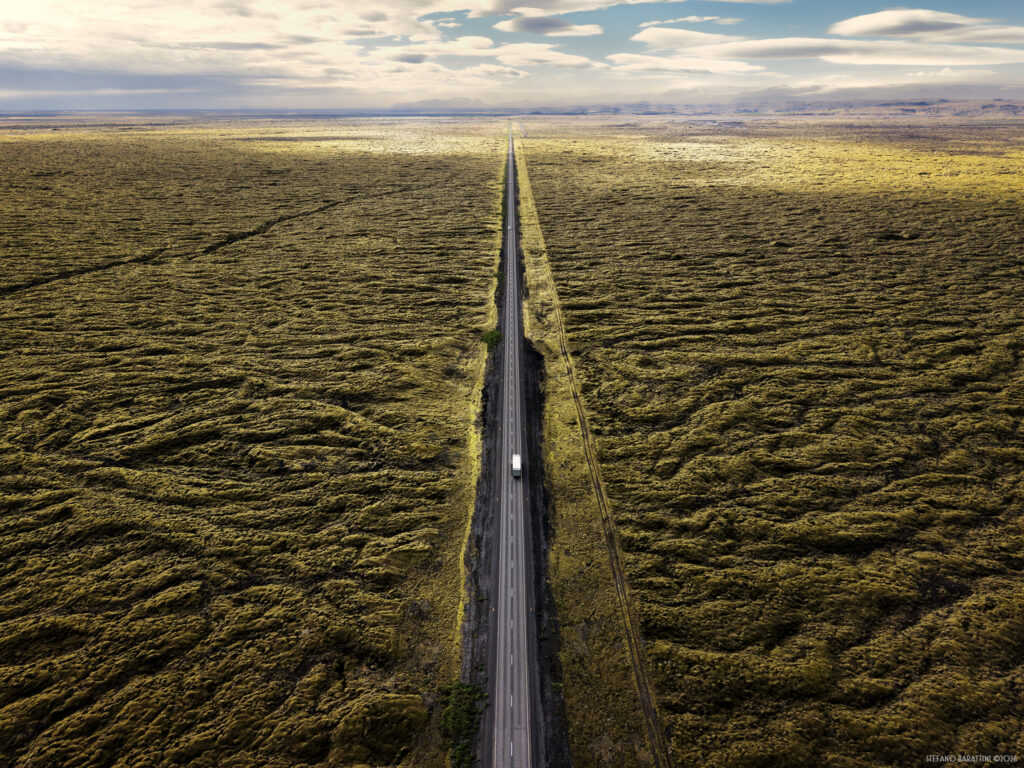
Non sarebbe stato un viaggio facile in quanto la strada più importante, la Ring Road che faceva il giro dell’isola, era sterrata; hanno cominciato ad asfaltarla nel 1978 e terminata completamente nel 2019. Inoltre la ricettività turistica era ancora quasi inesistente fuori dalla capitale, con pochi centri urbani e soprattutto strutture per il pernottamento e, fattore non ultimo, il costo di tale viaggio era per le mie finanze a dir poco proibitivo. Ma l’Islanda mi è sempre rimasta nel cuore e quando due anni fa mia figlia con il suo compagno e alcuni amici l’ha visitata, si è riacceso il mio desiderio sopito negli anni.
Arriviamo a marzo 2026 all’inizio della pianificazione.
L’Islanda è un paese con una ricettività alberghiera ridotta e con una situazione crescente di overtourism, quindi per prima cosa ho costruito l’itinerario sulla base dei luoghi da visitare e dei chilometri da percorrere per poi decidere dove pernottare e quindi prenotare le strutture. Premetto che a me non piace organizzare un viaggio con le tappe bloccate perché impedisce ogni possibile cambio di percorso durante il viaggio, cosa che spesso avrei voluto fare per approfondire alcune zone al posto di altre. Ma tant’è. Fissati i pernottamenti, scelta e prenotata la vettura (Suzuki Jimni) e i voli, mi sono dedicato ad approfondire l’itinerario aggiungendo e togliendo luoghi, affidandomi anche all’esperienza di altri viaggiatori attraverso gruppi dedicati su Facebook. Ritengo che questa fase di organizzazione di un viaggio, quale che sia, sia la più importante in assoluto. Si tratta di studiare tutto nel modo più preciso possibile, lasciando sempre un margine di manovra e quando arriva il momento della partenza è come una prima teatrale, si va in scena e se tutto è stato programmato bene i rischi/problemi sono ridotti al minimo, tranne l’imponderabile. Dal punto di vista fotografico avevo con me la fotocamera con diverse ottiche dal grandangolare al teleobiettivo, due droni e un buon telefono con ottime qualità fotografiche. Per la navigazione avevo tutte le coordinate dei luoghi da visitare e dei pernottamenti da inserire su Google Maps e su un Navigatore GPS nel caso il telefono non prendesse in alcune zone dell’interno. Non ultimo per registrare le tracce del viaggio da archiviare una volta tornato a casa. I chilometri previsti erano poco più di 5000 e dalle tracce alla fine abbiamo percorso 5047 km. In 22 giorni dal 31 agosto al 21 settembre.
CONSIDERAZIONI E IMPRESSIONI
Credo che l’Islanda sia un paese stregato, che ti entra dentro e non ti lascia più. Una sen-sazione che ho già provato in Africa ma che in Islanda, per certi versi, è più forte. E’ una terra sulla quale si può leggere la storia del nostro pianeta, racchiusa in un territorio grande un terzo dell’Italia. Viaggiare in questi luoghi è come viaggiare indietro di milioni di anni, in mezzo a vulcani, vapori che escono dalle fenditure della terra, canyon e cascate impressionanti, una terra inospitale domata dall’uomo ma ancora in parte incontaminata e instabile, con un vulcano ancora attivo che periodicamente mostra il suo lato terrificante e insieme affascinante, una terra divisa e in movimento tra due continenti, una spaccatura tra la placca tettonica nordamericana e quella eurasiatica che si allontanano di circa 2 cm all’anno (fonte AI).
Nel nostro viaggio abbiamo incontrato molte località turistiche, è inevitabile, ma quelli che mi sono rimasti più nel cuore sono i percorsi off-road nell’interno dove il turismo è più raro, quasi inesistente, dove panorami incredibili e sempre nuovi si aprono ad ogni curva.
Irresistibile il bisogno di fermare la macchina, spegnere il motore e assaporare il totale silenzio di questi luoghi. Non si può descrivere, bisogna esserci e provarlo sulla propria pelle. E’ in questi spazi che avrei voluto fermarmi almeno una notte per continuare a girare senza una meta precisa ed è in questi momenti che maledicevo i pernottamenti obbligati. La soluzione migliore sarebbe stato un camper 4×4 ma i costi sono a dir poco proibitivi. Ad ogni modo un viaggio in Islanda dovrebbe farci capire quanto sia vivo e fragile il nostro pianeta e come siamo fragili noi esseri umani di fronte a forze che non possiamo comandare. E’ un viaggio nel passato e forse un monito per il presente e una speranza per il fu-turo. Ho amici che tornano in Islanda quasi ogni anno e spesso più volte nello stesso anno. Qualcosa vorrà dire.
Landscape photography has a special way of drawing us in. Whether we are admiring the work of great photographers such as Ansel Adams and Minor White, whose images have left a lasting mark on the history of photography, or looking back at our own photographs of places we have encountered and grown fond of over the years, landscapes have a unique power to capture our imagination and preserve our memories.
I’d like to share a few thoughts on this subject.
There are many ways to photograph a landscape. Yet, among the countless images that fill our photographic archives, often offering familiar and sometimes predictable views, Stefano Barattini’s work stands out for the way it transforms the landscapes he encountered on his journey through Iceland.
Already familiar to Diatomea readers through his other intriguing photographic projects, Stefano invites us to look at these places from a different perspective. (La scuola del Bauhaus; Architettura brutalista; Ospedale Beelitz-Heilstatten)
Some of his photographs were taken with a drone, opening up entirely new viewpoints and changing the way we perceive the landscape. The result is a fresh, almost abstract visual experience: an image that remains rooted in reality while allowing room for personal interpretation.
There is a genuine aesthetic pleasure in this approach, one that captures the very essence of photography while reflecting the photographer’s individual vision.
It is a vision we can appreciate and share, provided we are willing to look beyond the conventions of more traditional photography.
In this way, we move beyond the photographic snapshot—the simple record of a moment during a journey or a visit to a familiar place, often charged with personal memories and emotions—and discover a different way of seeing. One that is less conventional, more creative and, above all, unexpected, made possible by the extraordinary versatility of photographic language.
That is why I would like to share Stefano’s travel journal with you. Here, photography is an essential part of the journey, interwoven with personal experiences and the moments that deserve to be remembered. Together, the images and the words create a compelling, immersive account of a journey that I find truly captivating.
As a travel enthusiast, particularly drawn to countries whose way of life differs significantly from that of Europe, and favouring places that might have undergone social and landscape changes over time, Iceland had already caught my attention in the mid-1980s.
Back then, I had researched everything, gathered information and drafted an itinerary, complete with distances for each leg, total mileage and estimated travel times. Everything had been painstakingly typed on a typewriter. My somewhat crazy idea was to get there by car, driving my Renault 4 van, converted into a mini-camper, across the whole of Europe to board a ferry in Norway bound for the great island, with an obligatory stop in the Faroe Islands.
It would not have been an easy journey, since the main road, the Ring Road that circles the island, was unpaved. Paving work began in 1978 and was not fully completed until 2019.Moreover, tourist accommodation outside the capital was still almost non-existent, with few urban centres and, above all, very limited overnight facilities. Last but not least, the cost of such a trip was, to put it mildly, well beyond my financial means. Yet Iceland has always held a special place in my heart. When my daughter travelled there two years ago with her partner and some friends, my long-dormant desire to visit the island was rekindled.
And so we arrive at March 2026, when the planning begins.
Iceland has limited hotel accommodation and is experiencing a growing problem with overtourism. My first step, therefore, was to build an itinerary around the places I wanted to visit and the distances to be covered. Only then did I decide where to spend each night and make the necessary bookings. I should explain that I do not like organising a trip with every stop fixed in advance, as this rules out the possibility of changing the route along the way. There were several occasions when I would have liked to explore certain areas in greater depth instead of moving on to the next destination. But there you have it. Once the overnight stays were fixed and the vehicle (a Suzuki Jimny) and flights had been chosen and booked, I devoted myself to refining the itinerary, adding and removing places and drawing on the experience of other travellers through dedicated Facebook groups. I believe that this planning stage is by far the most important part of any journey, whatever the destination. The key is to research and organise everything as thoroughly as possible, while always leaving some room for manoeuvre. When departure day finally arrives, it feels like opening night at the theatre: the curtain rises, and the show begins. If everything has been planned properly, risks and problems are reduced to a minimum, apart from the unpredictable. As far as photography was concerned, I brought a camera with a selection of lenses, from wide-angle to telephoto, two drones and a good smartphone with excellent photographic capabilities. For navigation, I had the coordinates of all the places we planned to visit, as well as our overnight stops, ready to enter into Google Maps and a GPS navigator in case there was no phone reception in some of the more remote inland areas. The GPS also allowed me to record our tracks, which I could archive once I returned home. The planned distance was just over 5,000 kilometres. According to the recorded tracks, we eventually covered 5,047 km over 22 days, from 31 August to 21 September.
THOUGHTS AND IMPRESSIONS
I believe Iceland is an enchanted country, one that gets under your skin and never lets you go. I have experienced this feeling before in Africa, but in Iceland, in some respects, it is even stronger. It is a land where the history of our planet can be read, all contained within a territory roughly one-third the size of Italy. Travelling through these places is like journeying millions of years back in time, among volcanoes, steam rising from fissures in the earth, canyons and spectacular waterfalls. It is an inhospitable land that humans have learned to tame, yet one that remains partly untouched and unstable. An active volcano periodically reveals its terrifying yet fascinating side. This is a land divided between two continents and constantly in motion, where the North American and Eurasian tectonic plates are pulling apart at a rate of approximately two centimetres per year (AI source).
During our journey, we visited many tourist destinations, inevitably so. But the places that have stayed closest to my heart are the off-road routes through the interior, where tourism is far less common, almost non-existent, and incredible, ever-changing panoramas unfold around every bend.
The urge to stop the car, switch off the engine and savour the absolute silence of these places is irresistible. It is impossible to describe: you have to be there and experience it for yourself. These are the places where I would have liked to spend at least one night, continuing to explore without any particular destination in mind. And it was precisely at these moments that I cursed those pre-booked overnight stops. The ideal solution would have been a 4×4 campervan, but the costs are, to say the least, prohibitive. In any case, a journey through Iceland should help us understand just how alive and fragile our planet is, and how vulnerable we human beings are when faced with forces beyond our control. It is a journey into the past, perhaps a warning for the present and a source of hope for the future. I have friends who return to Iceland almost every year, sometimes more than once in the same year. That must mean something.
Tutte le immagini contenute in questo articolo sono state prese dai link segnalati e/o dal web per puro scopo divulgativo, tutte le altre sono soggette a copyright
Rita Manganello è milanese di nascita, amante della fotografia e del cinema da quando ha memoria. Dopo gli studi classici e la Scuola di Giornalismo, ha lavorato in società multinazionali di primaria importanza nell’area della comunicazione e delle risorse umane, maturando un profilo professionale che le consente, oggi, di avere uno sguardo aperto alla contemporaneità. Giunta a fine carriera torna a dedicarsi alle passioni di un tempo fra cui la fotografia, il cinema, l’arte e la letteratura. Alterna l’attività di esplorazione fotografica a quella redazionale e si occupa di lettura dell’immagine per i colleghi fotografi.
Rita Manganello was born in Milan and has been passionate about photography and cinema for as long as she can remember. After completing classical studies and attending Journalism School, she worked in leading multinational companies in the fields of communication and human resources. Over time, she developed a professional profile that allows her today to maintain a keen and contemporary outlook. Now at the end of her career, she has returned to the passions of her earlier years—photography, cinema, art, and literature. She alternates between photographic exploration and editorial work, and also engages in image analysis for fellow photographers.